Justice Under the Moon: A Half-Werewolf Judge's Battle Against Crime and Prejudice
Introduction to Ella: The Half-Human, Half-Werewolf Judge
Ella stands as a formidable figure at the crossroads of two worlds; she is as much a product of human society as she is of the werewolf community. An embodiment of duality, her unique heritage—a blend of human and werewolf blood—presents both challenges and advantages. As a judge in the supernatural court, Ella is tasked with upholding justice in a society divided by age-old prejudices and ingrained biases against her kind. Her role requires an unwavering commitment to the principles of fairness and equality, despite the inherent difficulties that arise from her lineage.
The struggles that Ella faces are multifaceted. Navigating her career as a judge means confronting discrimination not only from those who fear werewolves but also from those who underestimate her capabilities because of her mixed heritage. Ella frequently grapples with her identity, aiming to prove herself worthy of the gavel while also working to dismantle the barriers that exist between humans and werewolves. Her aspirations reach beyond personal ambition; she seeks to foster understanding and harmony between her two worlds. This journey of self-discovery often forces Ella to reconcile her werewolf instincts with her constructed identity as a rational, equitable judge.
As the narrative unfolds, Ella's character development offers profound insights into the themes of identity and justice. She embodies the notion that true justice transcends surface appearances and preconceived notions. In her courtroom, a space meant for resolution and understanding, Ella aspires to create a dialogue where all voices—both human and werewolf—are heard and respected. Through her experiences, readers are invited to reflect on their own perceptions of justice and the complex identities that shape our understanding of fairness within society.
The Hidden Supernatural Court: A World Within Our Own
In the shadows of modern cities lies a hidden court, a unique institution dedicated to administering justice to supernatural beings. This court serves as a parallel legal system, guiding the intricate lives of various entities, including werewolves, vampires, and other mystical creatures. Unlike the human legal framework, which is based on codified laws and public hearings, the supernatural court operates discreetly, often enveloped in secrecy, reflecting the complexities and nuances of its clientele.
The court handles a wide range of cases that pertain to supernatural law, such as disputes over territory, interspecies conflicts, and violations of ancient folklore regulations. Each case necessitates a thorough understanding of both human law and supernatural customs, emphasizing the need for judges and legal practitioners who possess a rich knowledge of both worlds. The complexities of these cases often highlight the duality of existence for beings who dwell concurrently in the human sphere while adhering to supernatural traditions.
As a testament to its unique authority, the supernatural court features judges who are often practitioners of the very magical arts they oversee. A half-werewolf judge exemplifies this bridge between the two worlds, combining innate understanding of werewolf culture with the legal prowess required to adjudicate fairly. Yet, this court is not devoid of challenges; it constantly grapples with deep-seated prejudice and bias, not only against werewolves but also towards other supernatural entities. Many humans harbor misconceptions about the nature of these beings, leading to discrimination that complicates the court's efforts to administer justice equitably.
Working alongside the human legal system, the hidden supernatural court faces the arduous task of maintaining its legitimacy while navigating the pervasive stigmas associated with its inhabitants. The challenge is to ensure that justice is served for all beings—both human and supernatural—despite the societal prejudices that can influence perceptions and outcomes.
A Series of Murders: The Catalyst of Conflict
The tranquility of the town was shattered as a series of gruesome murders unfolded, each victim a wealthy human. This spate of brutal killings sent shockwaves through the community, especially as it quickly became clear that the victims were all prominent figures with extensive connections. Shrouded in mystery and fear, the murders drew immediate media attention, with sensational headlines suggesting a sinister plot. The targeting of affluent citizens hinted at deeper, underlying motives, while public sentiment leaned towards suspicion of the werewolf population.
The implication that werewolves could be behind these heinous crimes rekindled age-old prejudices, igniting tensions between the supernatural and human communities. Even though the evidence was circumstantial, the narrative gained traction. Werewolves, viewed as dangerous and unpredictable, became the primary suspects, fueling an atmosphere of fear and animosity. Social media platforms buzzed with theories, many framed in divisive rhetoric that painted werewolves as the monstrous villains of the story. This staircase of assumptions and biases underscored the urgency of addressing the murders in an effective and just manner.
As the pressure mounted, Ella, a half-werewolf judge with a unique perspective on both sides of the conflict, found herself compelled to intervene. Her connection to the werewolf community and her commitment to justice made her an unlikely but crucial player in solving the case. Sobering realities emerged as communities were forced to confront their prejudices, questioning the narratives being thrust upon them. The urgency of her role was amplified by the potential for these biases to escalate into violence. Time was of the essence as Ella set out to uncover the truth behind the murders and to untangle the inherent biases that threatened to tear the community apart.
Delving into the Underworld: Ella's Investigation
As a half-werewolf judge, Ella finds herself at the intersection of two worlds: the human realm and the shadowy underworld of supernatural beings. Her investigation begins when a series of unsettling events unfolds, suggesting that a faction of the werewolf community is engaging in illicit activities that could threaten both species. Ella’s inquiry not only exposes her to the darker aspects of the supernatural but also challenges her preconceived notions about justice and the creatures of the night.
During her clandestine encounters, Ella interacts with an array of supernatural beings, from cunning vampires to enigmatic fae, each providing insights into the complex dynamics of the underworld. Her initial approach is that of a mediator, seeking to understand the motivations behind their actions. However, the deeper she delves, the more she realizes the inherent dangers. Each encounter presents significant risks, including betrayal and violence, as the underworld operates under its own operational codes, often contradictory to human laws.
Throughout this journey, ethical dilemmas abound. Ella must grapple with the question of whether the supernatural entities she encounters are inherently good or evil, or merely products of their environment. As she navigates through the moral complexities, she becomes acutely aware that her dual identity complicates her perspective. The stakes are palpable; if she fails to decipher the nuances of their behavior, unintended consequences could arise, affecting both her world and theirs.
Determined to uncover the truth, Ella employs her unique position as a judge. She must balance her responsibilities to uphold justice with the nuanced understanding that comes from her dual heritage. This investigation is not just about solving a mystery—it is a battle against prejudice, as she strives to redefine what justice means in a world where the lines between right and wrong are increasingly blurred.
Anti-Werewolf Factions: The Courtroom Struggles
As Ella navigates her role as a judge, she faces significant resistance from anti-werewolf factions determined to undermine her authority and the judicial system. These factions, driven by deeply-rooted prejudices, seek to exploit every opportunity to cast doubt on her competence and integrity. In the courtroom, biased testimonies often surface, fueled by societal stereotypes that paint werewolves as inherently dangerous and untrustworthy. Such testimonies not only aim to discredit Ella personally but can also lead to unfair outcomes in cases she oversees.
The political maneuvering around her position further complicates matters. Anti-werewolf groups often lobby for changes in laws and regulations that impact her judgments, making her pursuit of justice more politically charged than judicial. Their influence can swing public opinion against her, placing additional pressure on her to conform to the expectations of a community that remains skeptical of her half-werewolf nature. This environment of prejudice challenges Ella to maintain her resolve and to ensure fair trials for all, regardless of their heritage.
These tensions do not merely represent obstacles; they test Ella's capabilities as a judge in real-time. Each case she presides over becomes a battleground for broader societal issues, forcing her to think critically and act decisively. The resistance she faces reflects institutional challenges that many marginalized individuals encounter, revealing a judicial landscape fraught with bias. As Ella grapples with both the legal standards and the societal implications of her rulings, her determination to uphold justice remains unwavering, highlighting the complexities of her dual identity in a world unwilling to fully accept her.
Unveiling the Mastermind: The True Culprit of the Crimes
As Ella delves deeper into her investigation, she uncovers a labyrinth of deception that intertwines the fates of both humans and werewolves. The crimes that have terrorized the community do not appear to be random acts of violence; instead, they are strategically orchestrated events aimed at fueling prejudice and discord. This realization leads her to believe that a mastermind is lurking in the shadows, manipulating public opinion to create an atmosphere of fear and animosity.
Through a series of meticulous inquiries, Ella identifies key players whose motives extend beyond mere malice. The antagonist, a respected figure in the community, has capitalized on existing tensions between the human and werewolf populations. This manipulation serves a dual purpose: not only does it deepen the rift between these groups, but it also empowers the antagonist, solidifying their control over critical narratives within the media. By portraying werewolves as monstrous and dangerous, this individual seeks to rally the community against a common enemy, thus diverting attention from their own ulterior motives.
The antagonist’s past reveals a history of betrayal and loss, shaping their need for revenge against both societies. The orchestrator's actions have wide-reaching implications, inciting violence and exacerbating discrimination against werewolves. The community finds itself ensnared in a web of conflicts, with the mastermind at its center, driving wedges between individuals who could foster understanding and cooperation. Ella’s determination to expose this individual becomes increasingly vital, not just for the resolution of the crimes, but for the future cohesion of both human and werewolf communities.
As the investigation unfolds, Ella realizes that the true battle lies in restoring trust and unraveling the false narratives that have taken root. By confronting the mastermind, she hopes to illuminate the truth behind the crimes and, ultimately, heal the fractured relationship between the two worlds.
Conclusion: Justice, Acceptance, and the Future of Human-Werewolf Relations
In the complexities of society's views towards supernatural beings, the half-werewolf judge, Ella, has showcased the profound need for justice and acceptance. Her experiences navigating both the human and werewolf communities reveal the delicate balance required to foster peace and understanding. The recent case, which initially appeared insurmountable, culminated not only in a verdict of justice for the victim but also in an examination of the prejudices that cloud perceptions of those who are different.
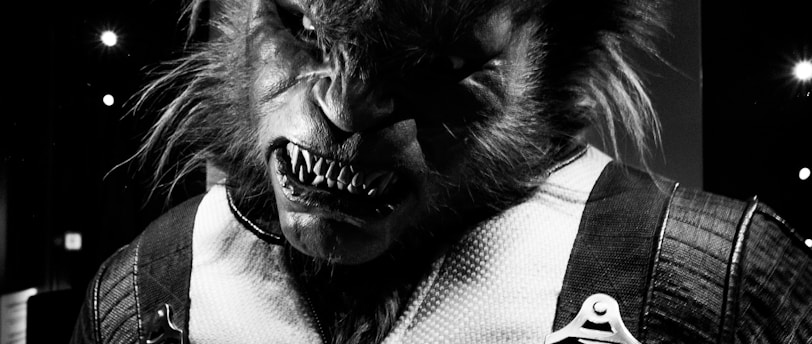
The resolution of the case served as a pivotal moment for both communities, highlighting the necessity for dialogue and collaboration in overcoming stereotypes. As an arbiter of the law, Ella epitomizes the potential for harmonious coexistence. Her unique perspective allows her to address both human and werewolf grievances, making her an invaluable figure in a world often torn apart by fear and distrust. The successful adjudication stands as a beacon of hope, prompting a reevaluation of long-held biases.
Yet, the journey towards acceptance remains fraught with challenges. As society grapples with its sentiments towards werewolves, Ella’s growth from a conflicted figure to a confident leader embodies the struggle for recognition and respect in a not-so-tolerant world. Ella's evolution signifies the breaking down of barriers, while simultaneously suggesting the endurance of challenges on the horizon. The juxtaposition of the two worlds will require ongoing efforts to strengthen relations, as both parties navigate the lingering shadows of prejudice.
Ultimately, the future of human-werewolf relations will depend on their ability to confront and surpass these historical precedents. By embracing stories like that of Ella, society can move towards a more inclusive and understanding environment, where both humans and werewolves can coexist in justice and acceptance.