From Witch Hunter to Protector: The Awakening of Female Solidarity in the 17th Century
The Setting: 17th Century Europe and the Witch Hunts
The 17th century in Europe was marked by an atmosphere of fear and paranoia, particularly concerning the supernatural. This period, often characterized by a fervent belief in witchcraft, saw an alarming rise in witch hunts across various regions. The societal fears during this time were primarily fueled by a mixture of religious extremism, societal upheaval, and gender dynamics that placed women in a precarious position. Many women were viewed through the lens of suspicion, often being labeled as witches due to their knowledge of herbal remedies or their roles as healers in their communities.
The Church played a pivotal role in the propagation of witch-hunting activities, framing them as a moral crusade against evil. This ecclesiastical endorsement granted legitimacy to the often-gruesome practices of witch trials, wherein countless women suffered accusations based on mere suspicion or personal vendettas. The Church’s narrative frequently depicted witchcraft as a direct affront to Christian beliefs, fueling hysteria that often disproportionately targeted women. As healers, these women possessed knowledge that could challenge the patriarchal status quo, leading to the implication that their abilities were not only suspicious but also dangerous.
The general perception of women as either nurturing caregivers or threatening witches emerged from these societal dynamics. As a result, women who exhibited independence or deviated from traditional roles faced severe consequences, such as persecution and execution. The duality of perception regarding women, as healers versus witches, contributed to a culture of oppression and fear, which stifled female solidarity and reinforced patriarchal control. Understanding this harsh historical backdrop is crucial for comprehending the oppressive environment that sparked Isabella's awakening and set the stage for the transformative journey towards female solidarity in the 17th century.
Isabella: The Elite Witch Hunter
Isabella was a woman of exceptional background, shaped by the tumultuous sociopolitical climate of the 17th century. Born into a family of notable influence, she received an elite education facilitated by the Church, which was steeped in rigid doctrines and the fervent belief in a righteous mission against the perceived evils of witchcraft. Her training encompassed not only scholastic instruction but also the strategic and tactical approaches employed by the Church to root out witchcraft, reflecting a deep-seated ambition to rise within this patriarchal structure.
Through her rigorous preparation, Isabella developed a potent conviction regarding the nature and existence of witches. She embraced the Church's perspective that witches were not merely individuals dabbling in forbidden arts but a palpable threat to societal order and morality. This belief system, propagated by powerful ecclesiastical authorities, resonated strongly with Isabella. Through her eyes, witches represented chaos, and she saw it as her sacred duty to vanquish them, believing her actions were vital in preserving the sanctity of her community.
Isabella's motivations extended beyond simple allegiance to the Church; they were rooted in a desire to affirm her own power and position in a male-dominated hierarchy. While many women of her time were relegated to the domestic sphere, Isabella's aspirations drew her into the dark realm of witch hunting, where she could exercise her authority and influence. Her position brought her into direct conflict with those who opposed the Church's stance on witchcraft, yet she remained undeterred.
A devoted witch hunter, Isabella not only operated with zealous fervor but also strategically positioned herself as a defender of the faith. Her early years were marked by a commitment to this cause, leading to a legacy that would eventually be challenged by the very kinship she sought to suppress. Within her ambition lies the complex interplay of gender, faith, and power that characterized the era.
The Turning Point: Discovering the Truth
As Isabella delved deeper into her investigations, she began to question everything she had been raised to believe about witches. The mission that brought her to the remote village seemed ordinary at first. In the midst of a societal upheaval, persistent rumors surrounding a group of women labeled as witches had led to an urgent investigation sanctioned by the Church. It was this mission that sparked the catalyst for Isabella’s transformation.
Upon her arrival, Isabella sought refuge in the local community, observing the women who had been accused of malevolent practices. It was here she witnessed something profoundly different from the images painted by the Church. Instead of malevolence, she found women who possessed an immense knowledge of herbal medicines and healing techniques. These so-called witches were often sought for their wisdom, aiding their neighbors in times of need, employing their skills to alleviate suffering rather than to inflict it. The dissonance between her teachings and the reality before her was dizzying.
As Isabella interacted with these women, the internal conflict intensified. She grappled with the doctrine instilled in her since childhood— that these women were dabbling in darkness, seducing souls with their practices. Yet her heart began to whisper a different tale: these women were protectors, guardians of ancient knowledge marginalized by the Church's zealotry. With each encounter, her doubts about the Church's intentions grew; she could no longer ignore the hypocrisy inherent in denouncing those who healed in favor of maintaining power.
This awakening marked a significant turning point in Isabella's life, igniting her journey towards solidarity with these women. No longer a hunter, she began to embrace her role in defending those from whom she had previously distanced herself, recognizing the power in uniting against oppression. Thus, the seeds of her transformation had been sown, setting the stage for a profound shift in her identity and purpose.
The Dark Reality: Church Oppression and the Persecution of Women
The 17th century marked a grim chapter in the history of women, particularly with regards to the oppressive tactics employed by the Church. As male-dominated religious institutions gained power, they increasingly viewed women, especially those with knowledge of healing and herbalism, as a threat to their authority. Female healers, who were often the bearers of ancient wisdom about medicinal plants and holistic practices, became targets of Church-led persecutions. The Church's prevailing misogynistic attitudes, fueled by fear of female autonomy and control, intensified the consequences faced by these women.
In this historical context, the societal importance of women like midwives and herbalists cannot be overstated. Women possessed an indispensable understanding of natural remedies, childbirth, and community health. This knowledge was critical in an era where medical provisions were scarce and sometimes nonexistent. However, the Church, perceiving this as a challenge to its doctrine and patriarchal structure, condemned these practices as heretical. The labeling of female healers as witches was a tactic utilized to strip these women of their power and ultimately, their lives. As a result, countless women were executed under accusations of witchcraft, meant to instill fear within the broader populace and reinforce strict adherence to Church teachings.
The implications of this oppression extended beyond the individual cases of persecution. It echoed through society, curtailing not just the lives of those accused but also stifling the knowledge and practices they upheld. Fear became a tool of control, discouraging women from sharing their expertise or pursuing the healing arts. This systematic dismantling of female solidarity through persecution fostered an environment where women were pitted against one another, breeding distrust and further complicating their ability to reclaim power in society. The Church’s tactics thus shaped both the thoughts and actions of women during this turbulent period, leading to a long-lasting impact on their role in society.
Forming a New Alliance: Protecting the Persecuted
In the tumultuous backdrop of the 17th century, Isabella found herself at a moral crossroads. Torn between her allegiance to the Church and her compassion for the vulnerable women being persecuted, she made a defining choice: she would betray the oppressive forces of the Church and create a sanctuary for those in need. The decision was not without risk, as the threat of discovery loomed large over her actions. However, the dire plight of countless women compelled her to act.
Understanding the importance of community, Isabella began to gather a group of women who shared her vision. They were not just victims; they were resilient individuals who had suffered under the weight of societal norms and persecution. With each meeting, bonds were forged, and a collective spirit of solidarity took root. These women came from diverse backgrounds, each contributing unique experiences and insights that enriched the organization.
In her quest to empower her newfound allies, Isabella shared her knowledge of self-defense techniques, ensuring that these women would not only rely on each other for emotional support but could also protect themselves from potential threats. This collaborative learning environment fostered a sense of strength and unity among them. The women practiced together, gaining confidence while developing skills that would be crucial in moments of danger.
However, establishing this secret organization was fraught with challenges. The women faced skepticism and fear from those entrenched in patriarchal systems, who viewed their alliance as a direct threat to the established order. Despite these obstacles, they were determined to create a support network that celebrated their autonomy and resilience. As they pooled their resources and knowledge, the alliance grew, and so did their resolve to protect one another from persecution.
The Power of Female Solidarity: Resistance in Action
The 17th century marked a significant period of turmoil, particularly for women under the oppressive tactics of the Church. As these challenges mounted, moments of resistance emerged that would serve as a powerful catalyst for female solidarity. One profound example can be seen in the confrontations led by Isabella and her allies, who refused to be silenced by tyrannical forces.
During heated gatherings, groups of women confronted male authorities, challenging the status quo that had long perpetuated their oppression. Resistance was often met with aggression; however, these bold actions forged a unifying bond among women. They began to see their struggles as interconnected, and each courageous act inspired the next, creating a ripple effect of empowerment. The very act of confrontation was revolutionary, as women began to practice self-defense not just as a means of physical security, but as a declaration of their autonomy.
One key moment of resistance unfolded when Isabella and her allies, emboldened by the shared experiences of persecution, decided to disrupt a local Church gathering. Armed with their collective resilience, the women asserted their right to voice dissent against the injustices they were enduring. This was not merely an act of defiance; it was a demonstration of solidarity, compelling other marginalized individuals to join their cause.
As the battles waged on, both emotionally and physically, the courage displayed by these women resonated deeply within their communities. Their actions inspired others to take a stand, promoting a culture of mutual support. Ultimately, these confrontations against oppressive tactics became emblematic of a broader movement for empowerment, as women embraced the strength found within their solidarity.
Legacy of Resistance: The Transformation of Society
The legacy of Isabella's rebellion against the Church marks a significant turning point in the societal structure of the 17th century. By leading a revolt against systemic oppression, Isabella not only challenged the patriarchal norm of her time but also paved the way for a movement that would prioritize women's rights and healing knowledge. The secret organization she established acted as a sanctuary for women who were marginalized and persecuted, providing them with both support and knowledge. This clandestine group fostered a sense of female solidarity that would resonate through subsequent generations.
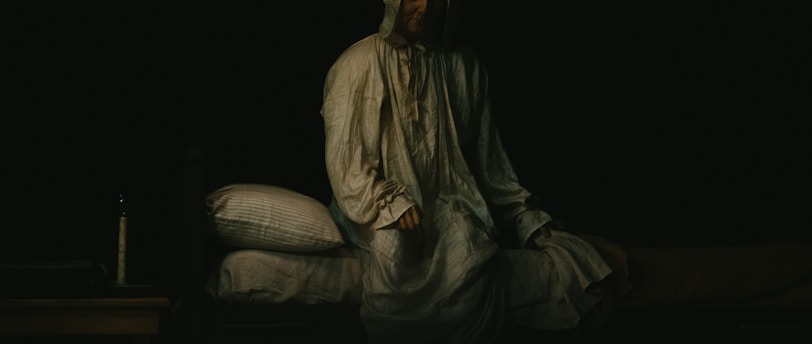
As members of the organization shared their knowledge of herbal medicine and traditional healing practices, they began to transform societal views on women's roles and capabilities. Their collective efforts not only empowered women but also encouraged a reevaluation of the contributions women made to society. Over time, the actions of these women helped to challenge the narrative that had long relegated them to roles of subservience, demonstrating that they could be healers, leaders, and activists. This transformation was crucial in the gradual emergence of a broader movement advocating for women's rights.
The importance of female solidarity in the face of oppression cannot be overstated. The bonds formed and the support systems established among these women served as a strong foundation for future female-led movements. The historical narrative of Isabella and her peers exemplifies how women, when united, can confront formidable challenges posed by established systems of power. Their story continues to inspire contemporary struggles for equality and justice, highlighting the timeless relevance of female empowerment. In today's context, the lessons learned from this period remind modern society of the strength found in solidarity against systemic obstacles, encouraging a collective push towards a more equitable future.