Breaking the Howl: Cara's Rise as the First Female Alpha in the Werewolf Clan
Introduction to the Werewolf Tribe
The werewolf tribe, a tightly-knit community residing in the vast and untamed North American wilderness, possesses a rich cultural heritage that has developed over centuries. This tribe, steeped in tradition, is characterized by its unique lifestyle centered on harmony with nature and adherence to ancient customs. A typical day in the life of a werewolf involves hunting in packs, gathering under the moonlight, and participating in communal rituals that reaffirm their bond with one another and the environment.
One defining aspect of the werewolf tribe is its hierarchical structure, which has historically been patriarchal. For generations, the title of Alpha, representative of leadership and strength, has been exclusively held by male members. The Alpha's role extends beyond mere governance; it encompasses the responsibility of protecting the tribe, making critical decisions, and ensuring the survival of their way of life. This longstanding system has shaped the community's dynamics, influencing everything from breeding choices to the passing of wisdom and skills.
The terrain itself plays a crucial role in the lifestyle of the werewolf tribe. Lush forests, rugged mountains, and deep valleys create a natural sanctuary that provides ample resources for sustenance and shelter. The connection with the land is spiritual; the tribe believes the terrain is imbued with ancestral spirits that guide their existence. Furthermore, the harsh and often unforgiving environment demands cooperation and strength from every individual, reinforcing the necessity of a strong leader.
As we explore this fascinating world, we will uncover the nuances of werewolf culture, the significance of the Alpha position, and how their patriarchal traditions are challenged in these evolving times, particularly through the rise of individuals like Cara, the first female Alpha.
Cara: The Unlikely Heroine
Cara’s journey begins in a world steeped in tradition, where the legacy of male dominance reigns supreme within the werewolf clan. Raised as the daughter of a respected elder, she often felt the weight of expectation pressing down upon her. Instead of conforming to the expectations of a demure and compliant role, Cara cultivated a rebellious spirit that set her apart from her peers. This rebellion was not merely a phase; it was a reflection of her inner desire for change and equality.
Personality-wise, Cara is fiercely independent and unyielding in the face of adversity. Her determination, coupled with an unshakeable moral compass, allows her to navigate the complexities of clan dynamics with both grace and tenacity. However, she is not devoid of vulnerability; moments of self-doubt plague her, especially when faced with the challenges of leadership. This duality—her strength in the face of opposition and her moments of weakness—enhances her relatability and depth as a character.
As Cara embarks on her quest to ascend to the position of the first female alpha, her aspirations extend beyond personal ambition. She envisions a clan where gender norms do not dictate leadership, and where every member is given an equal opportunity to contribute. This vision fuels her resolve and impels her to confront the existing patriarchal structures that have governed the clan for generations. Throughout her journey, Cara faces numerous obstacles; from challenging the status quo to dealing with resistance from both her allies and adversaries, each hurdle strengthens her resolve and shapes her into a true leader.
Ultimately, Cara’s evolution from a rebellious clan member to a determined contender for alpha status signifies more than just a personal transformation. It is symbolic of the broader struggle for empowerment within the werewolf community, setting the stage for a shift that could reshape the future of the clan.
The Moon Eaters: A New Threat
The emergence of the Moon Eaters organization presents a formidable challenge to the werewolf clan, particularly as they navigate the complexities of leadership under Cara, the first female Alpha. This clandestine group, driven by an insatiable thirst for power, has a single-minded mission: to hunt werewolves and harness their shapeshifting abilities for their own nefarious purposes.
The Moon Eaters operate in secrecy yet demonstrate a calculated strategy that poses a dire threat to the supernatural ecosystem. Their actions are not merely confined to the eradication of individual wolves but extend to a more systemic attack on the very essence of werewolf heritage. By seeking to capture those who can shift between human and wolf forms, they aim to siphon off their abilities and exploit them, raising significant concerns for the clan's survival.
What makes this threat particularly urgent is the broader implications it holds for the supernatural community. As the Moon Eaters intensify their operations, other supernatural beings—vampires, fae, and witches—also find themselves at risk. Their ruthless pursuit of power could result in a destabilization of age-old agreements and alliances, putting the peace that has been maintained between these factions in jeopardy.
In light of these developments, Cara faces a critical juncture in her leadership. The urgency stemming from the Moon Eaters’ activities propels her into action, requiring her to make swift, decisive choices that could define her legacy as Alpha. Not only must she protect her clan, but she is also challenged to foster unity among the various supernatural communities against this common adversary. The stakes could not be higher, and how Cara navigates this impending conflict will be pivotal for the werewolves and their allies alike.
Internal Conflicts: The Conservative Faction
The werewolf clan's internal dynamics are profoundly influenced by a conservative faction that resists the transformative leadership of Cara, the first female Alpha. This resistance stems from a deeply entrenched cultural and historical context that prioritizes traditional values and male dominance within the clan hierarchy. Many from this faction perceive Cara’s ascension not merely as a shift in leadership but as a threat to the very foundations of their identity and way of life.
The conservative faction is rooted in age-old customs that dictate strict adherence to male leadership, often arguing that only through this lens can the clan maintain its strength and cohesion. These individuals often echo the sentiments of past leaders, emphasizing the importance of established norms and a predictable power structure. Their reluctance to accept Cara is further amplified by the fear of the unknown; they worry that her innovative approach may lead to fragmentation or a dilution of the clan's fierce warrior culture.
Despite their opposition, it is crucial to recognize that the conservative faction's beliefs are not merely about resistance to change. They embody a narrative that suggests a profound loyalty to their ancestors’ values, thus framing their struggles as a means of preserving their identity amid societal evolution. Cara, understanding the weight of these historical narratives, engages with the faction not only through confrontation but also through dialogue. By respecting their concerns while asserting her vision for a more inclusive leadership, she seeks to bridge the gap between tradition and progress.
Navigating this tumultuous landscape, Cara's leadership becomes a balancing act of honoring the clan’s past while driving it towards a more equitable future. Her journey thus highlights not only the personal struggle of the first female Alpha but also the broader challenge of reconciling deeply held beliefs with the needs of a changing world.
Building Alliances: Vampires and Witches
In the quest for stability and strength against the formidable Moon Eaters, Cara recognized the importance of forging alliances that extended beyond her own kind. The dynamics between werewolves, vampires, and witches are historically complex, often marked by deep-seated animosities and territorial disputes. However, Cara's strategic foresight enabled her to see potential partners rather than adversaries, paving a path for unprecedented cooperation among these supernatural entities.
Negotiations commenced with the vampires, whose formidable power and extensive knowledge could serve as a significant asset to the werewolves. Cara understood that their interests were often entwined, especially when dealing with a common threat such as the Moon Eaters. She approached the vampire clans with a proposal that emphasized mutual benefit rather than conflict. This approach included sharing intelligence about the Moon Eaters' movements and strategies, which was crucial for both parties.
In addition to vampires, Cara sought the support of local witches known for their powerful spells and unique magic. Historically, witches have been viewed with suspicion by werewolves, but Cara sought to bridge this gap. She approached the witches with respect, acknowledging their significance in the supernatural hierarchy. The witches, in return, appreciated this acknowledgment and recognized the need for collective action to combat the greater danger posed by the Moon Eaters. Cara’s efforts resulted in the formation of a council comprising representatives from werewolves, vampires, and witches, fostering dialogue and collaboration.
These alliances are not only advantageous for their immediate tactical needs but also symbolize a paradigm shift in the werewolf community, where cooperation with historically antagonistic factions could lead to enhanced resilience. Cara's vision to unify these disparate groups exemplified her leadership qualities and her understanding of the complexities inherent in interspecies relationships. With alliances forged, the werewolves stood on firmer ground, collectively prepared to face the challenges ahead.
Clan Conflicts and the Quest for Identity
Within the complex socio-political landscape of the Moon Eaters, conflicts emerge that not only test the clan's unity but also challenge the very foundations of their identity. The struggle for power, especially under Cara's emerging leadership as the first female Alpha, serves as a catalyst for underlying tensions that have simmered for generations. Each incident of discord reveals layers of historical grievances and ambitions, complicating the dynamics within the clan.
One such conflict arises when factions within the Moon Eaters begin to question the legitimacy of Cara's position due to traditional norms that dictate leadership roles. Some members cling to outdated beliefs, arguing that a male Alpha is better suited for the challenges facing their clan in a time of unprecedented danger posed by rival werewolf groups. This internal strife poses a challenge not only to Cara’s authority but also fundamentally shapes her quest for identity as a leader. It underscores the broader struggle for recognition among werewolves, particularly those driven by ambition yet restricted by societal constructs.
The friction is exacerbated by external threats, notably the infiltration of the clan by members of a rival faction seeking to undermine the Moon Eaters from within. This conspiracy adds another layer to the conflicts, as members must navigate the dual crises of mistrust among themselves and the looming danger from outside forces. The impact of these episodic conflicts on Cara's leadership is profound; she is forced to reconsider her strategies, often making decisions that will either reinforce her authority or further alienate portions of her clan. As she grapples with the turbulence of these conflicts, the quest for a cohesive identity as a united clan becomes imperative, driving Cara to seek innovative solutions that honor their past while ensuring a viable future.
A New Era: Reshaping the Order
Cara's journey as the first female Alpha in the werewolf clan marks a significant turning point in the werewolf community. Traditionally, leadership within the pack has been dominated by male figures, reinforcing a long-standing order that often sidelined female voices. However, Cara's ascent to power introduces a transformative dynamic, reshaping the very foundations of clan hierarchy and governance.
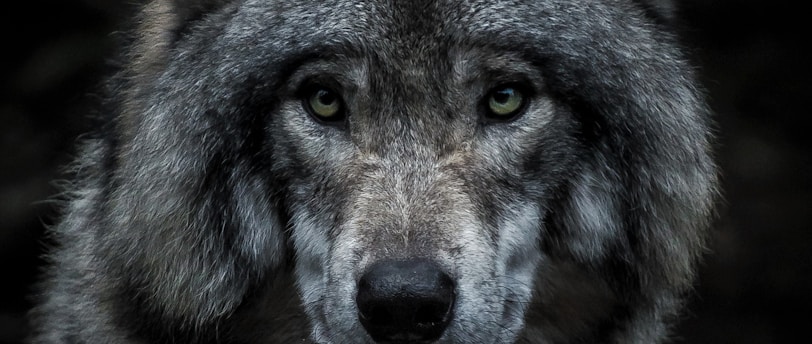
Under her leadership, the clan has begun to embrace values that prioritize equality and inclusiveness. Cara's approach challenges the archaic principles of dominance and submission that have historically governed werewolf interactions. Instead, she promotes collaboration, diplomacy, and mutual respect, advocating for a leadership style that incorporates the strengths of all clan members—regardless of gender. This perceptible shift highlights the potential for a more progressive werewolf society, where power is not synonymous with aggression, but rather with wisdom and empathy.
The transformations initiated by Cara do not occur without resistance. Traditionalists within the clan express lingering doubts about a female Alpha's capability to lead. However, Cara’s unyielding commitment to her ideals serves as not only a model for the werewolf community but also as a catalyst for broader societal changes. Her leadership underscores the notion that power dynamics can evolve, paving the way for future generations of both male and female leaders within the clan.
As Cara navigates the complexities of her role, she prepares the clan for inevitable conflicts and alliances that arise from her unprecedented position. Her ability to unite diverse factions within the pack becomes crucial in addressing external threats that may challenge the clan's unity. Ultimately, Cara's narrative transcends the confines of her individual journey, heralding a new era for the werewolf clan—one where gender biases may gradually dissolve, giving rise to a more balanced and inclusive approach to leadership.